
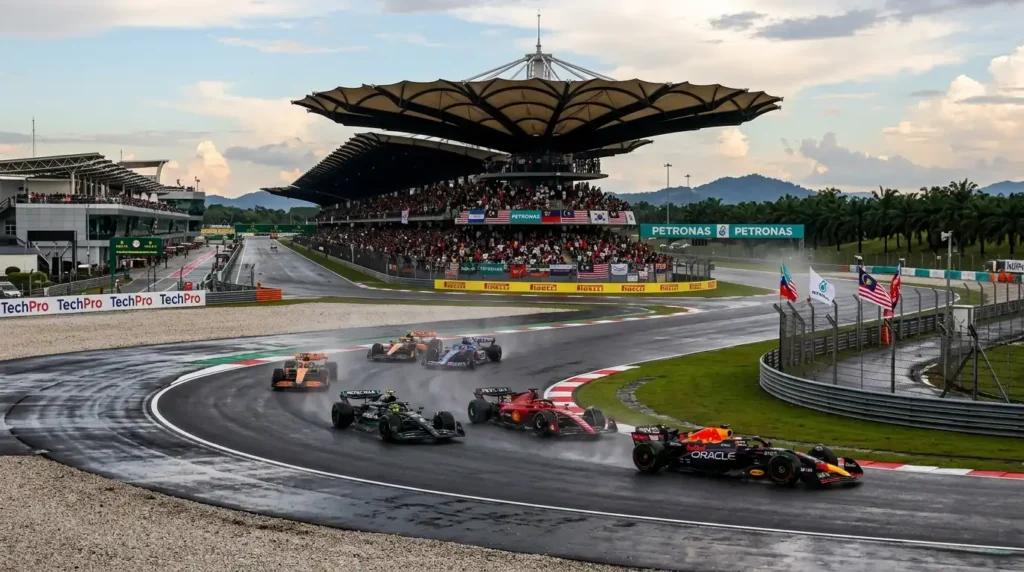
When Formula 1 departed the Sepang International Circuit after 2017, fans across Asia lamented the loss of one of the calendar’s most demanding, unpredictable, and driver-revered racetracks. Almost a decade later, the roaring engine notes of pinnacle single-seater racing are set to reverberate through the tropical heat of Selangor once again.
When the opportunity emerged, state stakeholders, local organizers, and title partners stepped up to seal a landmark return (as detailed in Mercedes-AMG F1’s official announcement).
1. The Unlikely Comeback: How Sepang Rejoined the F1 Grid
For years, the prospect of the Malaysian Grand Prix making a return seemed financially unfeasible. Government subsidies had shifted toward other domestic sports, and local organizers pointed to rising hosting fees as the primary reason for stepping away after 2017. However, the rapidly shifting global landscape of international motorsport in mid-2026 created an unexpected opening.
With late adjustments to the international calendar, Formula 1 and the FIA sought a venue capable of delivering elite racing, possessing flawless operational infrastructure, and holding full FIA Grade 1 certification. Sepang was not only ready—it was positioned perfectly. The circuit had quietly kept its facilities up to modern standards by hosting regional GT racing, endurance events, and premier motorcycle racing. When the opportunity emerged, state stakeholders and private investors stepped up to seal a landmark return.
2. A Masterpiece of Track Design: Why Drivers Love Sepang
Designed by renowned circuit architect Hermann Tilke and opened in 1999, Sepang set the blueprint for modern racing venues. Unlike some contemporary street circuits that prioritize glitz over overtaking opportunities, Sepang was purpose-built for high-speed wheel-to-wheel combat.
- Wide Circuit Footprint: Generous track width gives drivers multiple line choices through long, sweeping corners, drastically increasing natural overtaking opportunities without relying solely on artificial DRS boosts.
- Technical Sector Variety: The track combines two massive long straights connected by a tight hairpin with high-speed direction changes like Turns 5 and 6, testing both aerodynamic downforce and mechanical grip.
- Brutal Thermal Stress: Ambient temperatures frequently top 35°C (95°F) with high humidity, pushing driver stamina, tire degradation, and engine cooling systems to their absolute limits.
- Unpredictable Tropical Weather: Sudden, torrential downpours can wash over one section of the track while another section remains bone dry, forcing split-second strategic gambles on pit wall software.
3. The Technical Timing: Converging with the 2026 Regulations
The timing of Sepang’s return couldn’t be better. The 2026 Formula 1 technical regulations represent one of the most radical shifts in the sport’s history, introducing active aerodynamics, lighter chassis dimensions, and a 50/50 power split between the internal combustion engine and electric MGU-K motor units.
Sepang’s layout will act as a brutal proving ground for these new power units. The dual back-to-back long straights will force teams to balance energy deployment against electrical harvesting. Vehicles that lack efficient thermal management or drag reduction will be ruthlessly exposed around Sepang’s sweeping middle sector.
4. Economic Impact and the Asian Motorsport Renaissance
The return of the Malaysian Grand Prix is far more than a single weekend event; it is a catalyst for the broader Asia-Pacific automotive and racing sector.
| Pillar | Impact on Regional Motorsport |
|---|---|
| Tourism & Hospitality | Massive surge in international arrivals from Singapore, Japan, China, Australia, and Western Europe. |
| Local Talent Pipelines | Increased visibility for regional Formula 4 and Formula Regional Asia series ladder programs. |
| Commercial Sponsorships | Re-engagement of major regional energy, tech, and automotive brands investing in paddock hospitality. |
| Circuit Utilization | Multi-year facility upgrades that benefit secondary motorsport series and local track day culture. |
With Singapore, Japan, China, and now Malaysia on the schedule, Asia firmly re-establishes itself as a central pillar of global motorsport culture. The density of events creates an interconnected regional hub for logistics, engineering talent, and fan tourism.
5. Fan Nostalgia Meets a New Generation of Viewers
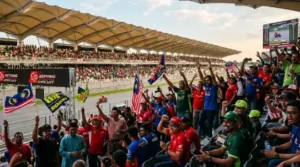
Since F1 last visited Sepang in 2017, the sport’s global fanbase has evolved dramatically. Powered by digital content, global streaming platforms, and heightened social engagement, millions of newer fans have never seen a live Grand Prix at Sepang.
For veteran enthusiasts, Sepang conjures memories of iconic battles: Michael Schumacher’s dominant 1999 return, Fernando Alonso’s tactically brilliant drives, and the infamous “Multi 21” team orders drama in 2013. For newer fans, 2026 offers a fresh canvas to watch modern superstars tackle one of the most punishing and rewarding circuits in motorsport history.
Final Verdict: A New Chapter for Sepang
The return of Formula 1 to Sepang marks a historic victory for circuit racing in Southeast Asia. By bringing pinnacle racing technology back to a true driver’s track, F1 isn’t just filling a calendar slot—it is restoring a soul-stirring classic to its rightful place on the world stage.
As teams prepare their 2026 machines for the heat, humidity, and high speeds of Selangor, one thing is certain: Asian motorsport is entering an exciting new golden era.